
Varicose veins are extremely common and can develop gradually over time. While no prevention method is guaranteed, your everyday habits can influence how healthy your veins stay over time.
The good news is that small, consistent lifestyle choices can make a meaningful difference and help improve circulation, reduce pressure in the legs, and lower your risk of developing painful or visible vein problems.
Here are five simple habits that can support better vein health every day.
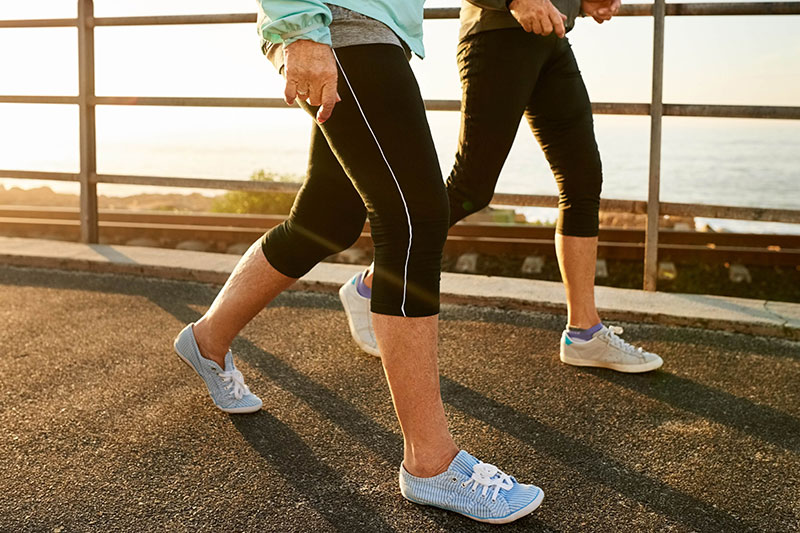
One of the biggest contributors to vein issues is prolonged sitting or standing. When the leg muscles stay inactive for long periods, blood has a harder time traveling back up to the heart. This can increase pressure inside the veins and weaken the valves over time.
Movement helps activate the “calf muscle pump,” which plays an important role in circulation.
Try to:
Even light daily movement can make a meaningful difference for circulation.
Excess body weight places additional pressure on the veins in the legs, especially the veins responsible for carrying blood upward against gravity.
Research has shown that obesity is associated with a higher risk of chronic venous insufficiency and varicose veins. Maintaining a healthy weight may help decrease strain on the vein walls and improve blood flow overall.
That does not mean you need an extreme fitness plan. Consistent habits like balanced meals, regular activity, and reducing long periods of inactivity can support both vein health and overall wellness.
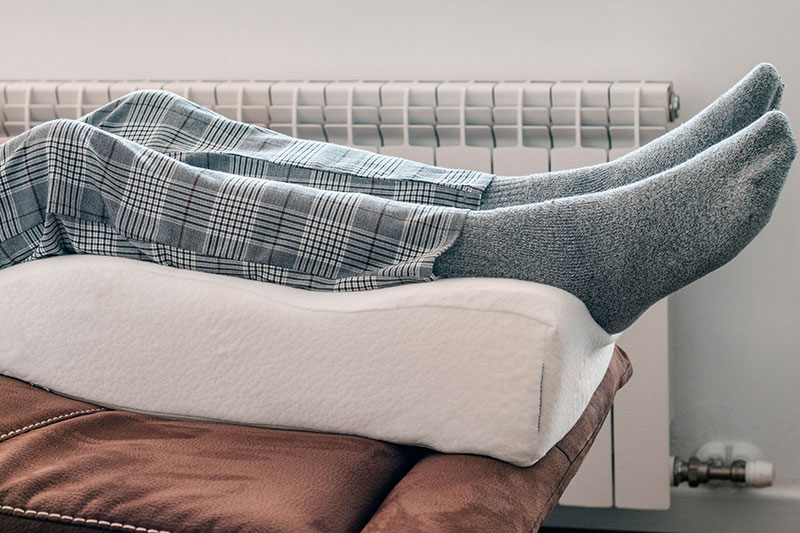
Leg elevation is a simple habit that may help reduce swelling, heaviness, and discomfort in the legs.
When you elevate your legs above heart level, gravity helps blood flow more easily back toward the heart instead of pooling in the lower legs.
A few easy ways to incorporate this habit:
This can be especially helpful for people who spend long hours standing at work, including teachers, healthcare workers, retail employees, and hairstylists.
Compression socks apply gentle pressure to the legs to support healthy circulation and reduce swelling. They are commonly recommended for people with early vein symptoms, frequent travel, pregnancy, or jobs that require prolonged standing.
Not all compression garments are the same, though. The correct fit and compression level matter.
Signs compression socks may help include:
A vein specialist can help determine whether compression therapy is appropriate for your specific symptoms.
Many people think varicose veins are only a cosmetic issue, but vein disease often starts before bulging veins appear.
Early symptoms can include:
Ignoring these symptoms may allow vein disease to progress over time. Early evaluation and treatment can help prevent complications and improve quality of life.
Healthy habits can support vein function, but they cannot always prevent vein disease completely, especially if you have a family history of varicose veins.
If you notice persistent leg discomfort, swelling, visible veins, or symptoms that interfere with daily life, it may be time for a professional evaluation.
At Chuback Vein Center, our team specializes in diagnosing and treating vein conditions using advanced, minimally invasive procedures designed to help patients feel more comfortable and confident.
Staying active, supporting circulation, maintaining a healthy weight, and addressing symptoms early may all help protect your vein health in the long run.
Taking care of your veins is not just about appearance, it is about supporting healthy circulation and keeping your legs feeling their best every day.
We invite you to become a part of the Chuback Vein Center family. We are confident in our ability to restore your health and wellness.