



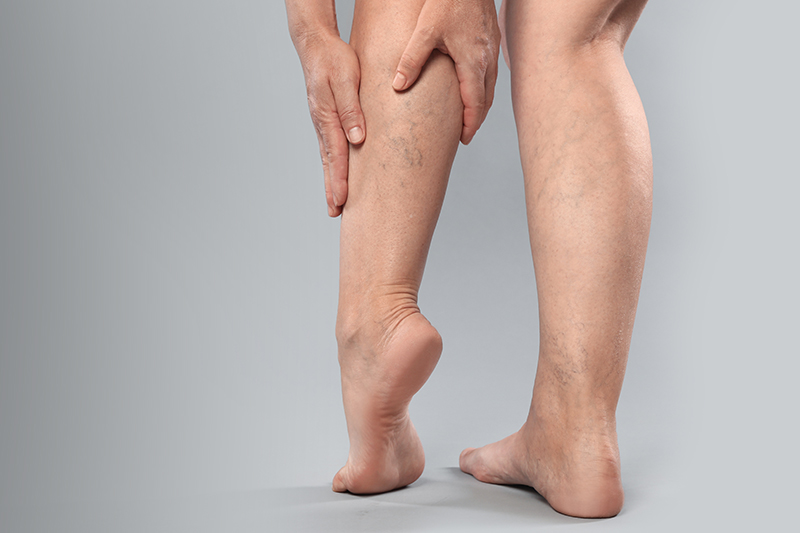
In our practice, it is very common to see patterns within families.
A patient comes in for varicose veins, and during the visit they mention that a parent or sibling has had similar issues. Sometimes it is mild spider veins. Other times it is more advanced vein disease that required treatment years ago.
That often leads to the same question: Are vein problems hereditary, or is this just coincidence?
The answer is that family history does matter, but it is only one part of the picture.
There is a well-established genetic component to varicose veins and chronic venous insufficiency. If close family members have vein disease, your likelihood of developing it is higher.
This is usually related to inherited traits in the veins themselves, such as how strong the vein walls are and how well the valves function. When those valves do not close properly, blood can flow backward and begin to pool in the legs, which over time leads to visible and symptomatic vein changes.
This is why we often see multiple generations affected, even when their lifestyles are not identical.
This does not mean symptoms will be severe or appear at a specific age, but it can increase overall risk.
One of the most important points is that genetics do not determine everything.
They do not decide:
We see patients with strong family histories who have minimal symptoms, and others with little known family history who develop significant vein issues. There is more variability than most people expect.
Even with a genetic predisposition, vein health is also influenced by everyday factors, including:
These factors can increase pressure in the leg veins and contribute to symptom development over time.
Vein disease often develops gradually. Some of the earliest signs include:
Because these symptoms can be subtle at first, they are often overlooked until they become more noticeable.
Even though genetics are not destiny, they are still clinically important.
If vein problems run in your family, it can be helpful to be more proactive. Early evaluation allows us to identify changes in vein function before symptoms become more advanced, which often means more conservative and simpler treatment options.
At Chuback Vein Center, we often evaluate patients who are concerned because of family history alone, even before significant symptoms develop.
Having a family history of vein disease does not mean you will automatically develop the same issues. It simply means your risk may be higher, and being aware of early changes can help you stay ahead of symptoms.
If you are noticing leg discomfort, visible veins, or simply know that vein issues run in your family, an evaluation can provide clarity and help you understand what is normal versus what may benefit from treatment.
We invite you to become a part of the Chuback Vein Center family. We are confident in our ability to restore your health and wellness.