





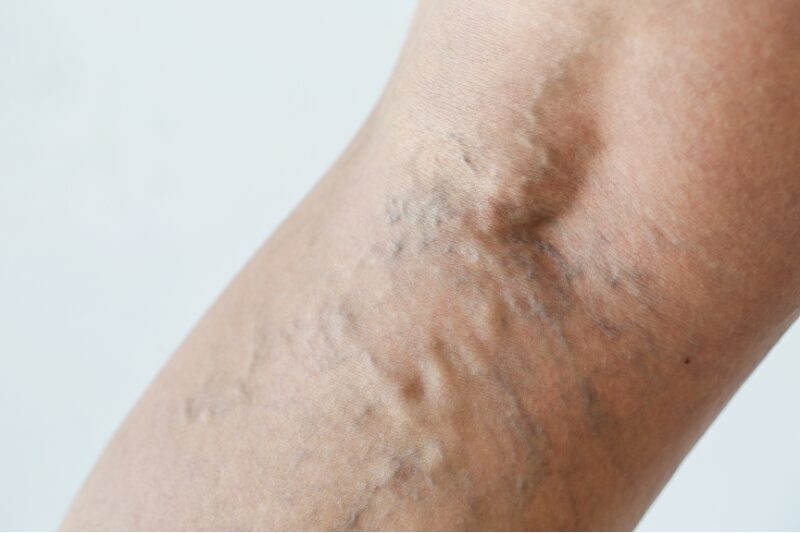
Maybe you first noticed one small vein on your leg a few years ago. Now, you’re seeing more veins, they look more prominent, or your legs have started feeling different by the end of the day.
If that sounds familiar, you may be wondering: Why are my varicose veins getting worse?
Varicose veins can become more noticeable over time, but the changes aren’t always just cosmetic. As vein problems progress, some people may also develop symptoms such as aching, heaviness, swelling, itching, or leg fatigue.
Understanding why these changes happen can help you recognize when it may be time to have your veins evaluated.
Inside healthy veins, small valves help keep blood moving in the right direction, back toward the heart. When those valves become weak or stop working properly, blood can flow backward and pool in the veins.
Over time, that increased pressure can cause veins to become enlarged and more visible.
For some people, the changes happen gradually. A vein that was barely noticeable may become larger or more prominent, and additional varicose veins may develop nearby.
Several factors can contribute to the development or progression of varicose veins, including:
These factors don't mean that everyone with varicose veins will experience worsening symptoms. But changes in the appearance or sensation of your legs are worth paying attention to.
One of the reasons people may overlook worsening vein problems is because they focus on what they can see.
But your symptoms can tell you just as much as your veins can.
You may notice that your legs:
These symptoms can be associated with chronic venous insufficiency, a condition in which the veins have difficulty moving blood back toward the heart.
You don't have to wait until your symptoms become severe to have them evaluated.
If your varicose veins are changing or you're developing new symptoms, an evaluation can help determine what's happening beneath the surface.
At Chuback Vein Center, we take a personalized approach to every patient. We consider your symptoms, medical history, and the results of your vein scan to understand how your veins are functioning and which treatments (or combination of treatments) may be appropriate.
Our dedicated vascular imaging lab allows us to evaluate your veins in detail and procedures are performed right here in our office. You don't have to go to a hospital or separate surgical facility for your vein treatment.
Varicose veins don't necessarily mean that your condition will continue to progress or that you'll need treatment. But if you're noticing changes in your veins or how your legs feel, it's worth finding out why.
A vein evaluation can help you understand what's happening beneath the surface and whether there's an underlying problem that should be addressed.
At Chuback Vein Center, our goal is to understand the cause of your vein problems and create a treatment plan based on your individual needs.
If your veins are changing, don't just assume it's part of getting older. Schedule an evaluation to find out what's really going on.
We invite you to become a part of the Chuback Vein Center family. We are confident in our ability to restore your health and wellness.