




Chronic Venous Insufficiency (CVI) is a common but often underdiagnosed vein condition that affects blood flow in the legs. According to the Cleveland Clinic, CVI impacts up to 40% of adults, with risk increasing with age, pregnancy, prolonged standing or sitting, and a family history of vein disease. Early detection is critical, as untreated CVI is progressive and can lead to long-term skin damage and venous ulcers.
Chronic Venous Insufficiency occurs when the one-way valves in the leg veins weaken or fail, allowing blood to flow backward and pool in the lower extremities instead of returning efficiently to the heart. This backward flow increases pressure in the veins, leading to the symptoms patients often notice first.
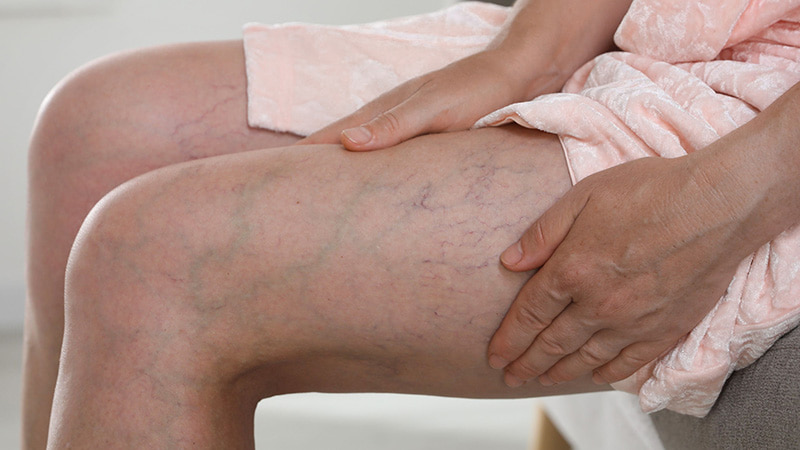
Because CVI often starts subtly, many people attribute early symptoms to “just tired legs” or aging. But catching the signs early means:
If you experience ongoing leg discomfort, swelling, visible veins, or skin changes that don’t improve with rest, it may be time to see a vein specialist. Early evaluation is important not only for symptom relief but also for preventing long-term complications.
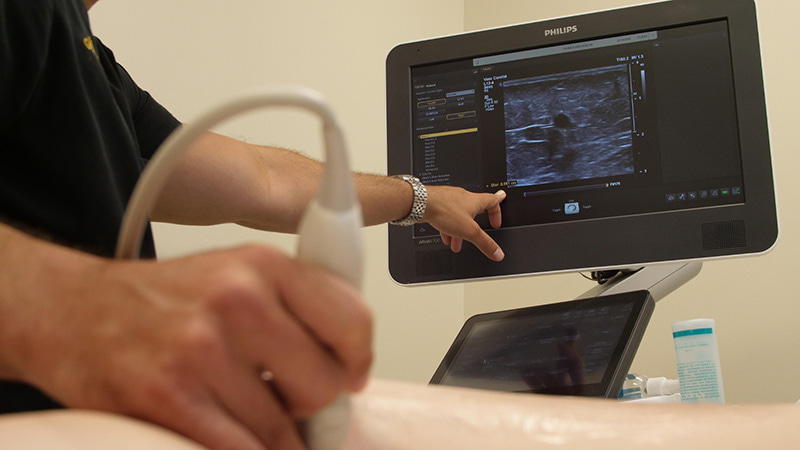
At Chuback Vein Center, vein evaluations include a quick, painless ultrasound scan to assess blood flow and vein function. This non-invasive test is performed in-office, requires no downtime, and helps determine whether symptoms are related to venous insufficiency.
Chronic Venous Insufficiency doesn’t always announce itself loudly. Symptoms often begin subtly but can worsen over time if ignored. By recognizing early signs such as leg heaviness, swelling, varicose veins, and skin changes, patients can seek care earlier and prevent more serious complications.
We invite you to become a part of the Chuback Vein Center family. We are confident in our ability to restore your health and wellness.