




Chuback Vein Center - Posted on November 11, 2026
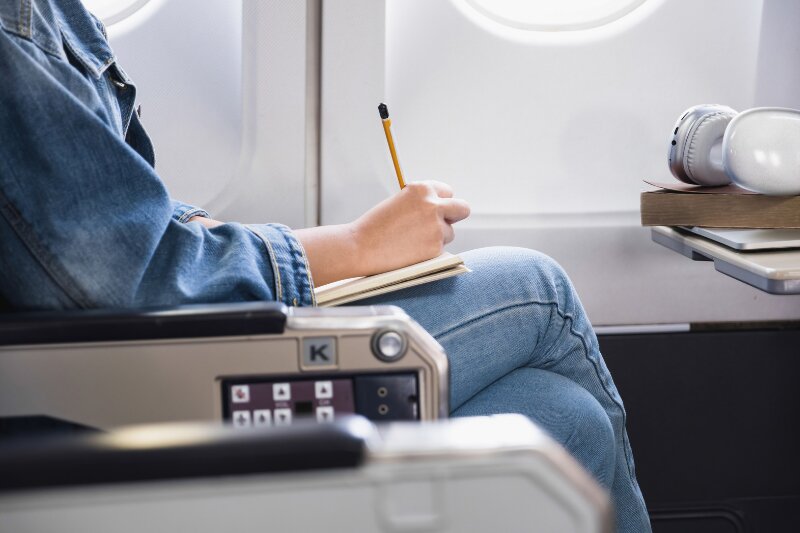
Whether you're driving to visit family for Thanksgiving or catching a flight for a holiday getaway, travel often means spending more time sitting than usual. While a few hours on the road or in the air may seem harmless, prolonged sitting can slow blood flow in your legs. The good news is that a few simple habits can help support healthy circulation while you're traveling.
Your veins work against gravity to return blood from your legs to your heart. Your calf muscles play an important role in this process, contracting as you move to help push blood upward through your veins. When you remain seated for extended periods, these muscles are less active, which can contribute to slower blood flow and leg discomfort.
For most healthy travelers, occasional long periods of sitting are manageable. However, prolonged immobility can increase the risk of developing a blood clot in a deep vein, known as deep vein thrombosis (DVT). Understanding how to keep moving during your trip is a simple way to be proactive about your health.
Whenever possible, get up and walk periodically during long trips. If you're flying, take a short walk down the aisle when it is safe to do so. During road trips, plan stops to get out of the car, stretch, and walk around. If you are driving, always pull over safely before getting out or doing any stretches.
Even when you can't stand up, you can keep your leg muscles active. Flex your feet up and down, make gentle ankle circles, and alternate between lifting your heels and toes. These simple movements help activate the calf muscles and encourage blood flow.
Staying hydrated is a good travel habit. Keep water accessible and drink regularly throughout your journey. While hydration supports your overall health, it is not a substitute for movement or other precautions when blood clot risk is elevated.
Some travelers have a higher risk of blood clots, including people with a history of DVT or pulmonary embolism, recent surgery, certain medical conditions, or other individual risk factors. If this applies to you, speak with your healthcare provider before a long trip about whether additional precautions are appropriate. Compression stockings may be recommended for some travelers, but they are not necessary for everyone.
Mild stiffness after sitting for a long time is common. However, new swelling, pain, tenderness, warmth, or redness in one leg can be signs of DVT and should be evaluated promptly. If you experience sudden shortness of breath, chest pain, fainting, or coughing up blood, seek emergency medical care.
Although blood clots are not something most travelers need to worry about constantly, knowing the warning signs can help you recognize when a symptom needs attention.
A little movement and preparation can go a long way toward making your holiday travels more comfortable. If you have ongoing leg symptoms, a history of vein problems, or concerns about your circulation, a conversation with a vascular specialist can help you understand your options.
At Chuback Vein Center, our team evaluates and treats venous conditions to help patients make informed decisions about their vein health.
Have questions about your vein health? Contact us at Chuback Vein Center to schedule a consultation.
We invite you to become a part of the Chuback Vein Center family. We are confident in our ability to restore your health and wellness.